Mould in a commercial building is almost always a moisture problem first. Impact Restore remediates mould in commercial and industrial interiors by investigating the moisture source, setting containment and protective measures based on the extent of contamination, removing or cleaning affected materials and documenting the result.
We work with our own restoration crews and equipment from our Etobicoke office and provide 24/7 emergency restoration response across Toronto.
They helped us after heavy rain caused water damage in our commercial building. The team was knowledgeable, fast, and very professional. They walked us through each step of the restoration process and made sure everything was back to normal quickly. Highly recommend their services.

Carol Jackson
Call (647) 951-0906 any time, or request a restoration assessment.
Water damage restoration dries a building after a leak or flood so that mould does not get started. Mould remediation deals with growth that is already present. It adds containment, protective measures, removal or cleaning of contaminated materials and correction of the moisture source that allowed the growth. If you have an active leak or flood without visible mould, start with our commercial water damage restoration in Toronto.
Mould needs moisture to grow, so the investigation starts with the water: roof and window leaks, plumbing failures, condensation on cold surfaces, high humidity and past flooding. The affected areas are assessed visually, moisture is mapped with meters and the source is traced, because remediation that leaves the moisture problem in place is likely to fail. Health Canada notes that mould can begin to grow within 48 hours in an area with excessive moisture.
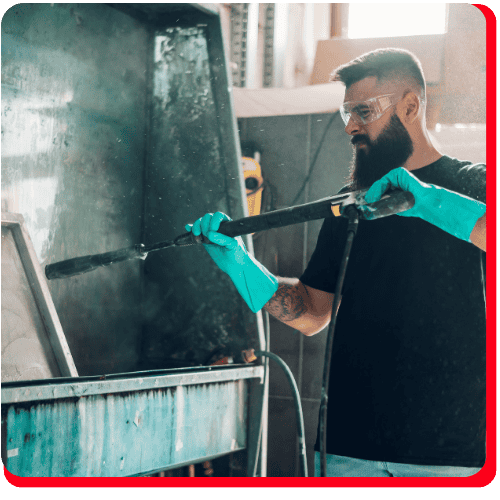
Ontario practice sets the remediation level by the size of the contaminated area, usually established by visual inspection. The City of Toronto’s Mould Management policy, based on the Environmental Abatement Council of Ontario’s Mould Abatement Guidelines (Edition 3, 2015), uses three levels:
Lower thresholds apply to growth inside HVAC systems. The level, not the mould species, determines the containment, protective equipment and oversight the work requires.
Usually not before remediation begins. The City of Toronto’s Mould Management policy states that air and surface sampling are not required to start remediation or to determine the remediation level, and Health Canada does not recommend air testing for mould in most situations, as there is no numerical health-based exposure limit for indoor mould.
Testing can still be useful in specific cases, such as independent verification after Level 2 or larger projects, or when an insurer, a tenant dispute or a property transaction requires third-party documentation.
Containment isolates the work area so spores and debris are not carried into occupied space. Depending on the remediation level, this can include barriers, negative air pressure with HEPA filtration, shutting down the HVAC system serving the work area and protective equipment for workers. Occupants of affected areas should be told about the work plan, the timeline and the precautions being taken.
Ontario has no mould-specific regulation, but employers’ general duty under the Occupational Health and Safety Act to protect workers applies, which is one reason a documented remediation plan matters.
Our team is on call around the clock for commercial restoration emergencies across Toronto.
We provide full remediation documentation and can support insurance reporting and regulatory inspection requirements.
We service warehouses, distribution centres, office buildings, retail and hospitality facilities, factories, manufacturing plants, property managers, insurance providers, and government sites.
Impact Restore carries out commercial and industrial restoration with its own personnel and equipment.
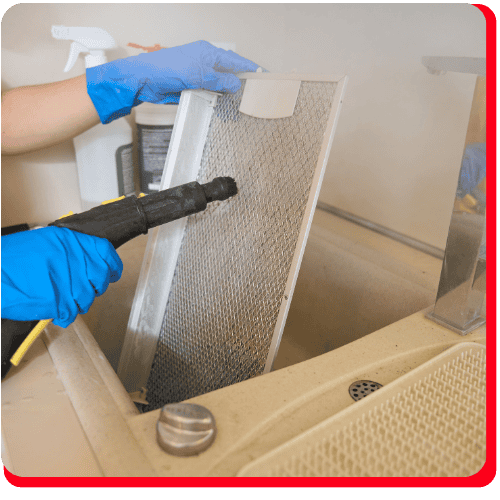
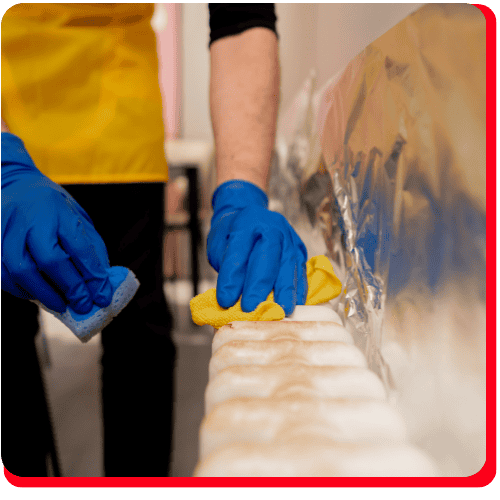
Contaminated porous materials such as ceiling tiles, insulation and wallboard are generally removed and discarded. Non-porous and semi-porous materials that are structurally sound can often be cleaned and kept. Dry sweeping is avoided, and HEPA vacuuming and air filtration capture spores and dust while the work proceeds.
The colour of mould, including so-called black mould, does not change the response, and Health Canada’s recommendations apply regardless of species. Once the moisture source has been corrected and the area is dry, affected interior finishes can be restored.
When the work is complete, a post-remediation evaluation checks that contaminated materials have been removed or cleaned and that the area is dry. Under the ANSI/IICRC S520 standard, this internal evaluation is distinct from post-remediation verification, an independent third-party sign-off often used after larger projects.
A complete commercial record typically includes moisture readings at assessment and completion, photographs, the scope of work and the evaluation or verification results. Read our Toronto commercial mould remediation guide for more detail.
Our 24/7 team provides rapid interior stabilization and drying to protect affected areas while permanent exterior repairs are arranged separately.
Impact Restore restores the interiors of commercial and industrial properties, including offices, retail centres, warehouses, manufacturing plants, institutional and mixed-use buildings. We do not provide residential restoration, roofing, exterior building restoration or structural construction. Our main office is in Etobicoke.
Fast, Local Help for Toronto Businesses
Call Now: (647) 951-0906
Or Request a Restoration Assessment
Building emergencies don’t wait for business hours, and neither do we. Call anytime for 24/7 emergency restoration response.
Investigating and correcting the moisture source, setting the remediation level by the extent of contamination, containment and protective measures, removing or cleaning affected materials, HEPA filtration, and a post-remediation evaluation with documentation.
Yes. We provide 24/7 emergency restoration response, which matters most when an active leak or flood is feeding mould growth.
Visible growth, staining, a persistent musty odour and a history of leaks or flooding are the usual signs. A visual inspection and moisture mapping normally establish the extent of the problem, and air or surface sampling is not usually required to begin remediation.
Yes. Our services are tailored for commercial buildings and industrial settings.
Common causes include high humidity, poor ventilation, condensation, leaks and past flooding. In each case the underlying issue is excessive moisture.
Colour does not identify the species, and Health Canada’s recommendations to control moisture and clean up growth apply regardless of species. What matters for planning is the extent of contamination and the moisture source.
Hidden growth usually follows hidden moisture. Moisture mapping and a targeted inspection of likely areas, such as behind wet wallboard or in ceiling spaces, help locate it.
Yes. We provide documentation that supports the claims process, including moisture readings, photographs and the scope of work. Your insurer and adjuster make coverage decisions.
Containment, HEPA filtration and protective equipment are matched to the remediation level, and occupants of affected areas should be told about the work plan and the precautions being taken.
Call (647) 951-0906 any time, or request a restoration assessment through our contact form.