A commercial water damage restoration cost in Toronto can start near C$2,500 for one contained clean-water loss. Impact Restore provides commercial water damage restoration in Toronto for offices, warehouses, retail sites, plants, schools, and other buildings. This 2026 guide explains price ranges, cost factors, quote details, claim records, drying, and rebuilding for Toronto and GTA sites.
What Does Commercial Water Damage Restoration Cost in Toronto in 2026?
A localised clean-water event often falls between C$2,500 and C$7,500. This range may cover extraction, drying equipment, moisture monitoring, and limited removal. A contained washroom leak usually costs less than water crossing several tenant spaces.
Mid-sized business losses can range from C$7,500 to C$25,000. Dirty water, several wet floors, or extensive removal can push costs above C$25,000. Large factory or high-rise events may exceed C$75,000.
These figures are planning ranges, not fixed quotes. Toronto contractors must inspect the source, wet area, materials, water type, access, and site conditions. Rebuilding, contents work, and lost trading time may sit outside the first cleanup price.
What Are Typical Commercial Water Damage Cost Ranges by Loss Size?
These ranges combine current Toronto and GTA price guides with business site needs. Published guides define the work differently, so compare carefully. Every estimate should state what it includes.
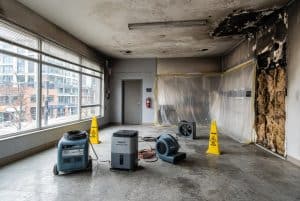
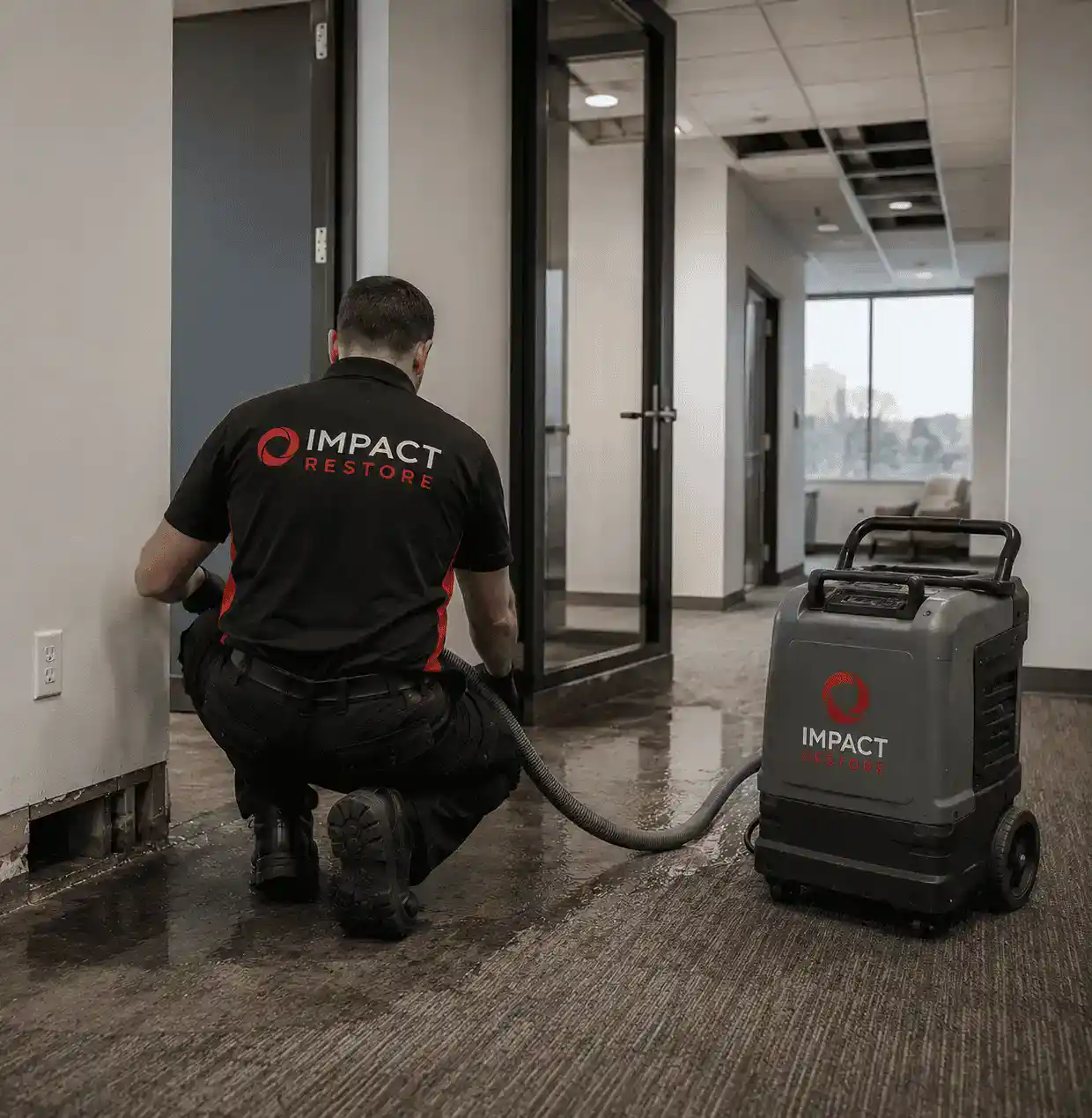
Impact Restore can manage commercial water extraction in Toronto before moisture spreads farther through the site. Fast extraction can reduce the materials and floor area that need later work.
Why Is Mitigation Priced Separately From Reconstruction?
Mitigation stops active damage and stabilizes the building. It may include extraction, containment, selective demolition, equipment placement, and moisture monitoring. This phase answers the immediate safety and drying needs.
Reconstruction replaces materials after drying is complete. New drywall, insulation, ceilings, flooring, millwork, paint, or electrical components can require separate trades. Those costs may appear in a later estimate.
A C$15,000 cleanup scope is not always a complete C$15,000 repair. Moisture records can show site conditions and completed work. The written estimate should state where emergency work ends and rebuilding begins.
Water-loss pricing at business sites depends on water type, wet materials, access, gear, and work needs. Call (647) 951-0906 or request a commercial water-loss assessment for a Toronto or GTA site.
How Much Does Each Commercial Restoration Stage Add?
Water cleanup prices build from labour, equipment, materials, and site controls. A per-square-foot figure can help with early budgets, but it rarely captures the whole job. Published Toronto benchmarks range broadly from about C$3 to C$12 per wet square foot.
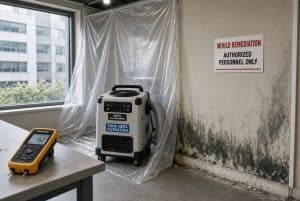
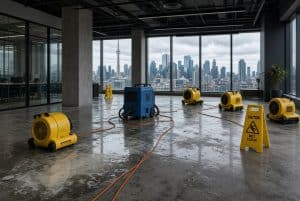
Impact Restore uses structural drying and dehumidification to dry water beneath floors and behind finished walls. The number of units and work days can change the total.
How Does the Water Category Change the Price?
Clean water from a supply pipe usually creates the lowest treatment burden when addressed quickly. Many materials may remain in place after proper extraction and drying. Cost rises when water travels through several assemblies.
Grey water is not clean and needs added site controls. Sources can include some appliance discharges or building-system failures. The site review sets the right barriers, cleaning, and waste plan.
Black water creates the highest health risk. Sewage and dirty outdoor floodwater can need safety gear, controlled removal, cleaning, and more waste handling. This makes Category 3 work cost more than work in a similar clean-water area.
How Does the Type of Commercial Building Affect Cost?
An office usually contains carpet, partitions, ceiling systems, cabling, and tenant contents. A warehouse may have a larger floor area but fewer finishes. Each layout produces a different labour and equipment plan.
Healthcare, food, lab, and factory sites can need stricter barriers or expert teams. Key work may limit repair hours or open routes. High-value stock and controlled areas also need more records.
High-rise buildings add elevators, loading schedules, service corridors, and vertical water movement. Water can travel through risers or ceiling cavities beyond the visible area. Moisture mapping must follow that path before the scope is final.
Why Can Waiting Increase the Total Commercial Loss?
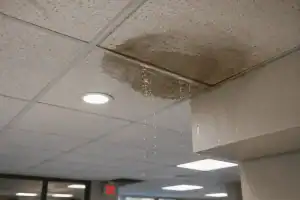
Water continues moving after the visible source stops. Drywall, insulation, wood, ceiling systems, and stored goods can absorb moisture. A small wet zone can therefore become a larger drying and removal project.
Delayed response can also extend business disruption. Closed work areas, damaged stock, unavailable equipment, and tenant complaints carry costs beyond contractor invoices. Rapid containment can protect unaffected operations.
Site staff should address safety before moving equipment or entering standing water. Live power, dirty water, weak ceilings, and wet floors need expert review. Early reports also create a clear record of the event.
How Do Contents, Equipment, HVAC, and Electrical Systems Affect Pricing?
Building work does not always include every damaged item. Stock, files, furniture, machines, electronics, and tools may need a separate review. Some items can be dried or cleaned, while others need replacement.
HVAC systems can move damp air or germs beyond the first wet area. Electrical rooms and control systems may need skilled trades before restart. The main contractor may manage these trades as part of the recovery plan.
Packing, item lists, secure transport, storage, cleaning, and return all add labour. High-value assets may need expert care and close tracking. The quote should separate building work from item care.
Does Commercial Insurance Cover Water Damage Restoration?
Coverage depends on the policy, cause, endorsements, deductibles, limits, and insurer decisions. Sudden pipe failures may be treated differently from gradual leaks or maintenance problems. Sewer backup and overland flooding can require specific coverage.
An insurer may request the cause of the incident, affected areas, photos, moisture readings, equipment logs, and invoices. Property managers should notify the appropriate broker or insurer promptly. Emergency safety and mitigation steps should not wait for assumptions about coverage.
Work records support a claim but do not guarantee payment. Keep emergency work and rebuild scopes separate when requested. Lost-income and contents claims may also follow different policy sections.
Do Toronto and GTA Access Conditions Change Restoration Costs?
Downtown Toronto sites can involve restricted loading, limited parking, elevator bookings, and building security. Equipment may travel farther from service vehicles to affected floors. These conditions add handling time.
Occupied buildings need barriers, signs, noise controls, and phased work. Night work may keep the business open but can change rates. Shared towers also need plans with site managers and tenants.
GTA warehouses often offer easier vehicle access but contain larger open areas. Site power, roof height, drains, and stored goods still shape equipment placement. Location matters less than the site’s actual work conditions.
What Should a Commercial Water Damage Estimate Include?
A strong estimate identifies the source and affected zones. It should describe water extraction, demolition, containment, cleaning, drying equipment, monitoring, and disposal. Quantities and unit rates make changes easier to understand.
The document should also state work hours, access assumptions, power needs, and exclusions. Contents, HVAC, electrical, mould work, asbestos tests, and rebuilding need clear treatment. Tax and emergency labour terms should be visible.
Ask how scope changes receive approval after hidden damage appears. Daily records can track equipment, readings, work completed, and site conditions. A final drying report provides useful closure for owners, managers, and insurers.
How Can a Business Control Restoration Costs Without Cutting the Scope?
Early source control and fast reports can limit spread. Current emergency contacts, shut-off details, floor plans, and vendor access plans save time. Staff should never take unsafe action around live power or dirty water.
Protecting dry zones is often more valuable than trimming needed drying. Barriers, safe traffic routes, and moving key assets can keep parts of a site open. This plan can reduce lost trade.
Compare estimates on equal scopes, not just bottom-line price. A cheaper drying quote may omit checks, removal, waste, records, or rebuilding. Written assumptions reveal those gaps before approval.
What Records Should Be Kept After a Toronto Flood?
Create an incident record with times, locations, contacts, and actions. Photograph affected areas without entering unsafe spaces. Keep emergency invoices, equipment logs, disposal records, and communications together.
The official City of Toronto basement flooding guidance advises taking damage photos and keeping emergency repair or cleanup receipts. Its home-based advice may not fit every business claim, but keeping good records remains useful.
Commercial stakeholders should follow their insurer, lease, and internal reporting duties. Building owners, tenants, property managers, and contractors may hold different records. One organised file helps prevent gaps during later review.
Budgeting for Commercial Water Damage Restoration in Toronto and the GTA
Water cleanup may start near C$2,500 for a small clean-water loss. A large event can cost more than C$75,000. A site review must define water type, area, materials, access, contents, drying, and rebuilding before firm pricing.
Impact Restore supports emergency restoration response across the GTA for business and factory sites. Compare estimates by scope, assumptions, records, and exclusions. The lowest number offers little value when vital work appears later as an extra.
Impact Restore can build a price scope around the site, its work, and loss conditions. Call (647) 951-0906 or arrange a detailed commercial restoration scope for Toronto and GTA service.
Frequently Asked Questions
What is the average commercial water damage restoration cost in Toronto?
A small clean-water loss at a business may cost C$2,500–C$7,500. Work across several zones can reach C$7,500–C$25,000. Dirty water or wet floors may push costs above C$25,000. A site visit is needed because access, stock, drying, and rebuilding vary widely. The source also affects cost.
Is commercial water damage restoration priced per square foot?
Some Toronto guides use about C$3–C$12 per wet square foot for early cleanup budgets. This rate rarely covers the whole loss. Water type, equipment days, removal, stock, expert trades, work records, and rebuilding can also change the final amount. It is only a rough starting point.
Does a water damage restoration quote include reconstruction?
Not always. Emergency work may cover extraction, barriers, selective removal, drying, cleaning, and moisture checks. Rebuilding drywall, ceilings, floors, wiring, and finishes may need a separate scope. Confirm the dividing point, exclusions, tax, and approval process before work starts.
Does commercial insurance pay for water damage restoration in Ontario?
Coverage depends on the cause, policy wording, endorsements, deductibles, and limits. Sudden pipe failures may differ from gradual leaks, sewer backups, or overland flooding. Report the incident promptly, preserve evidence, and ask the insurer which records and approvals are required.
How long does commercial structural drying take?
Many drying jobs at business sites need several days, but no fixed time suits every building. Concrete, insulation, wall spaces, floors, damp air, dirty water, and equipment size affect progress. Daily moisture readings should guide equipment removal, not a preset date.
Can a Toronto business remain open during water damage restoration?
Some sites can keep dry zones open through barriers, phased work, safe routes, and night shifts. Live power, dirty water, air concerns, or weak ceilings may require closures. The site review should set safe work limits for staff, tenants, clients, and cleanup crews. The plan may change.